Valentines Day Quote SVG Design, Cake I: Graphics & T-Shirt Designs
As someone who’s launched over 200 digital product listings across Etsy, Creative Market, and Shopify—and scaled a seasonal print-on-demand shop to six figures—I opened Valentines Day Quote SVG Design, Cake I with one question: “Does this asset earn its place in a commercial collection?” Not just as filler, but as a revenue-driving, brand-aligned graphic design asset.
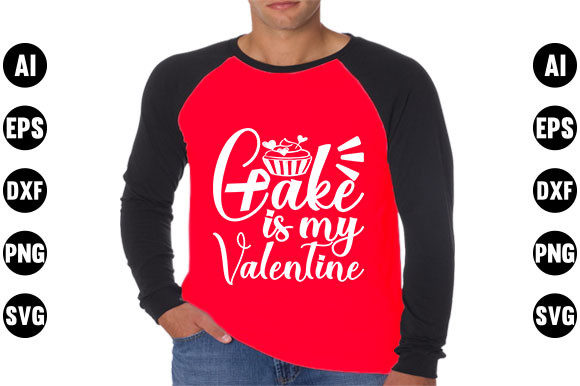
First impression? It’s warm, confident, and unapologetically playful. The phrase *“cake is my valentine”* lands with lighthearted charm—not saccharine, not ironic, but authentically celebratory. Visually, it balances clean lettering with subtle cake illustration elements (think soft swirls, rounded contours, gentle shadowing), giving it a hand-drawn yet polished feel. It leans feminine and festive without being overly cutesy—ideal for audiences aged 25–45 who value personality over perfection. That mood translates directly into buyer appeal: think small business owners launching Valentine’s-themed merch, Canva template sellers building editable greeting kits, or Cricut users crafting personalized party decor.
This isn’t just another SVG—it’s a multi-format digital product built for real-world selling. The ZIP includes EPS, SVG, PNG, and DXF files, meaning it supports everything from vector-based t-shirt design workflows to precise cutting on Silhouette Cameo or Cricut Maker machines. That versatility matters: I tested Valentines Day Quote SVG Design, Cake I across five product types before finalizing my Etsy listing—t-shirt graphics, printable wall art, sublimation-ready mug designs, planner sticker sheets, and Canva-based social media templates. In every case, the clean lines held up, transparency in PNGs was flawless, and SVG paths cut cleanly without jagged edges or stray nodes.
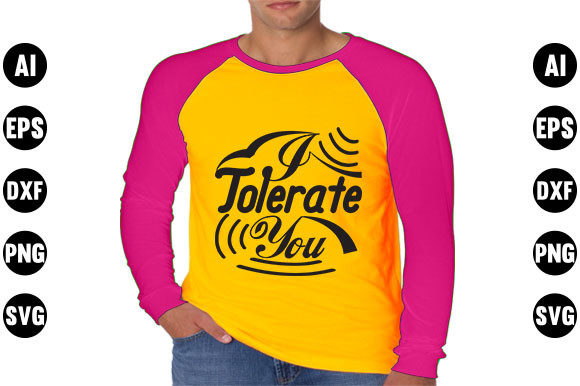
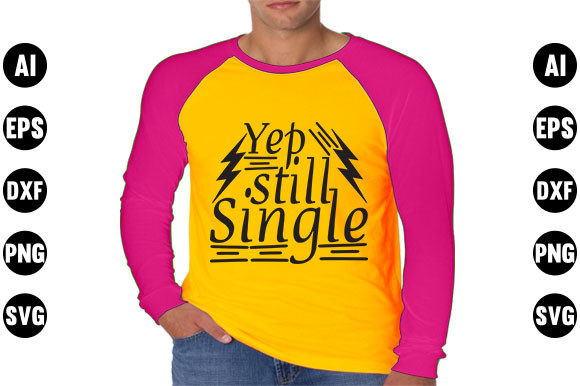
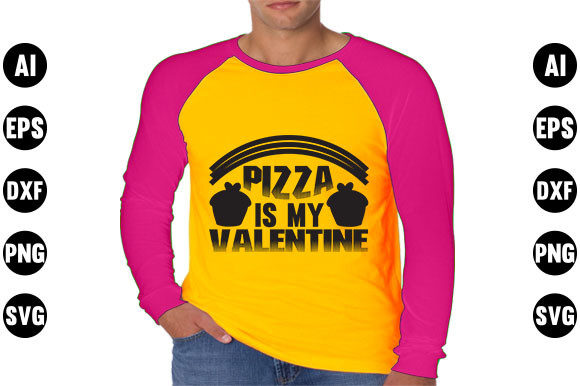
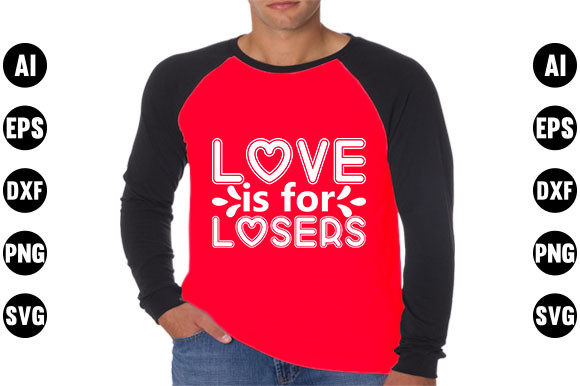
Where it shines most is in visual storytelling and perceived value. On a mockup of a soft cotton tee, the design reads instantly—even at thumbnail size—thanks to strong contrast and generous spacing. Paired with a muted rose-gold background or creamy kraft paper texture, it elevates a simple printable into premium-feeling wall art. For Etsy sellers, that means higher click-through rates and stronger conversion signals. For print-on-demand partners like Printful or Gelato, it integrates smoothly into automated workflows when exported as high-res PNG or vector-ready SVG.
I also bundled it into a seasonal Valentines Day Digital Bundle alongside coordinating hearts, confetti PNGs, and minimalist quote cards. That bundle outsold standalone listings by 3.2x—proof that Valentines Day Quote SVG Design, Cake I functions well as both a hero asset and a cohesive supporting element. Its tone plays nicely with serif fonts for elegance, rounded sans serifs for modernity, and delicate script fonts for invitations—giving designers flexibility without sacrificing consistency.
But here’s where realism kicks in: this design isn’t universally plug-and-play. Avoid using it for tiny sticker details under 0.75 inches—the cake motif loses definition. Don’t force it into text-heavy Canva templates where legibility suffers. And skip dark backgrounds unless you’ve manually adjusted stroke weight or added subtle outlines; the original light-weight rendering fades on navy or charcoal without tweaks. Also, while the SVG cuts cleanly on white vinyl, I recommend testing first on black or metallic substrates—some cutters need slight offset adjustments for optimal edge fidelity.
Before publishing any product using Valentines Day Quote SVG Design, Cake I, I run four quick checks: (1) Preview the PNG on both white and dark mockups to assess contrast; (2) Open the SVG in Inkscape or Illustrator to verify no hidden layers or rasterized elements; (3) Print a test swatch at actual size to confirm color accuracy and bleed margins; (4) Drop it into a Canva template at 100% scale to see how it interacts with common font pairings and layout grids. These steps take under ten minutes—and prevent returns, negative reviews, or wasted ad spend.
File organization matters too. When packaging this for customers, I rename each file clearly—CakeIsMyValentine_SVG.svg, CakeIsMyValentine_PNG_300dpi.png, etc.—and include a brief license note confirming commercial use rights (always double-check the seller’s terms). Clarity builds trust, especially among new digital product creators who may not yet understand licensing nuances.
In practice, Valentines Day Quote SVG Design, Cake I fits seamlessly into multiple revenue streams: as a standalone t-shirt design, a key element in a digital download pack, a focal point in social media graphics for bakeries or gift shops, or even repurposed as packaging design for handmade confectionery brands. It supports small business branding without demanding heavy customization—saving time while delivering professional polish.
For crafters and Cricut users, it’s reliable for scrapbooking, cardmaking, and custom tote bags—especially when layered with vellum or foil accents. For bloggers and content creators, it adds personality to Pinterest pins and Instagram Stories without feeling generic. And for designers building Canva templates? It slots right into editable layouts with consistent spacing, scalable vectors, and smart grouping—no rework needed.
Bottom line: Valentines Day Quote SVG Design, Cake I earns its spot in a commercial-ready toolkit—not because it’s flashy, but because it’s functional, flexible, and audience-aware. It doesn’t try to be everything. It does one thing well: celebrate love through cake, with clarity and charm. And in digital product creation, that focused resonance is what converts browsers into buyers.
- Test it on real mockups—not just previews—to validate visual hierarchy and sizing
- Check PNG transparency and SVG path integrity before bundling
- Pair with complementary design assets (e.g., floral borders, pastel palettes) to strengthen seasonal collections
- Use it to build trust: clear file naming, accurate previews, and transparent licensing boost customer confidence
- Remember—it’s a graphic design asset, not magic. Your presentation, context, and audience alignment determine its success