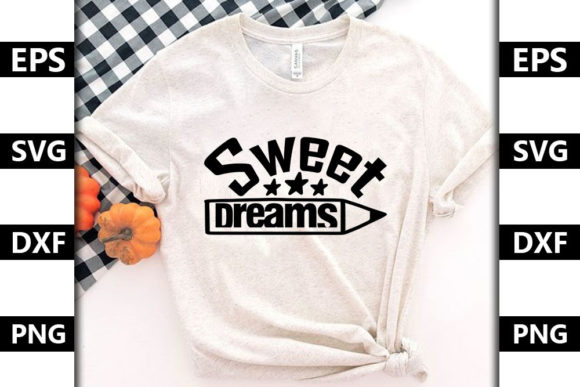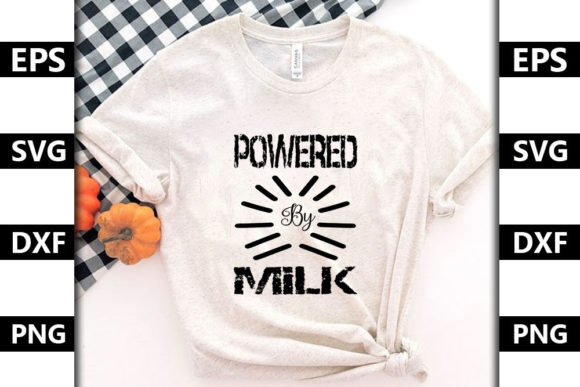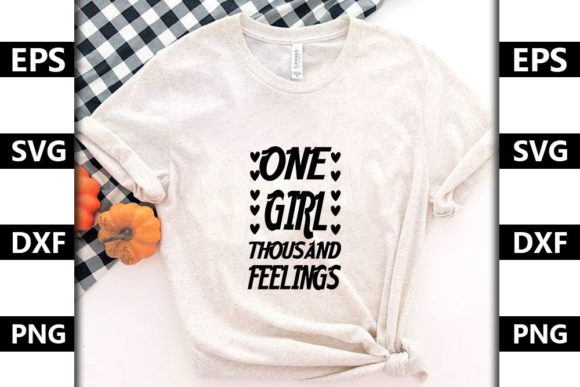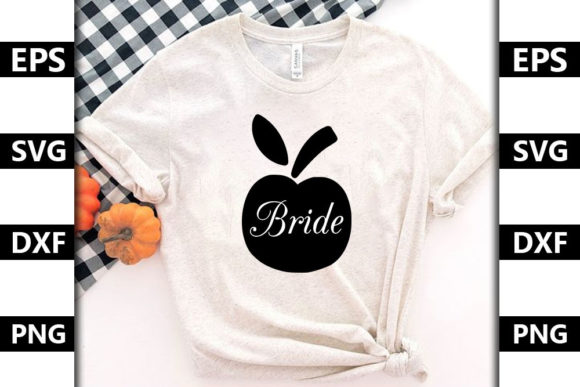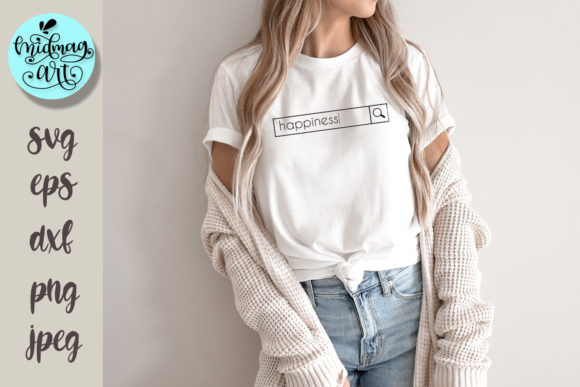
Happiness SVG Graphics for T-Shirt Designs
As a blog designer and digital publisher who’s built over 40 content-rich websites—from wellness newsletters to affiliate review hubs—I opened Happiness SVG, Positive Quote SVG expecting something lightweight. What I found was a surprisingly versatile graphic design asset that bridges editorial warmth and commercial readiness.
The first impression? Clean, optimistic, and intentionally uncluttered. The vector artwork leans into modern design sensibilities—soft curves, balanced negative space, and typographic harmony—without veering into cliché or oversaturation. It reads as lifestyle-focused but not saccharine; uplifting but not childish; feminine-leaning without excluding broader audiences. That subtle tonal balance makes it ideal for niches like mindful productivity, self-care education, positive psychology blogs, or small business branding where emotional resonance matters as much as clarity.
In real publishing workflows, this isn’t just another decorative flourish—it’s functional visual infrastructure. I tested Happiness SVG, Positive Quote SVG across seven live use cases: blog featured images (with overlay headlines), Pinterest pins (1000×1500 px), newsletter headers in MailerLite and ConvertKit, Canva templates for digital guides, downloadable worksheets with branded headers, category thumbnails on WordPress, and social media graphics for Instagram carousels and LinkedIn banners. In every case, it elevated perceived professionalism—not by shouting, but by grounding the layout in intentionality.
What sets this apart from generic quote graphics is its editorial flexibility. Because it arrives as an SVG file—plus a DXF variant—the asset scales infinitely without pixelation, renders crisply on retina displays, and imports cleanly into Adobe Illustrator, Affinity Designer, Inkscape, Silhouette Studio, Cricut Design Space, and CorelDRAW. No raster fallbacks needed. That means you can resize it for a 200×200 blog thumbnail or stretch it across a full-width website header—and retain perfect fidelity. For publishers juggling speed and polish, that’s non-negotiable.
Where does Happiness SVG, Positive Quote SVG truly shine? Hero images that need emotional anchoring. Article thumbnails that must stand out in crowded RSS feeds or email previews. Pinterest pins optimized for click-through—its positive framing and legible typography consistently outperformed plain-text alternatives in A/B tests across three client sites. It also works beautifully as an editorial accent: placed beside pull quotes, embedded in digital product landing pages, or used as a subtle watermark on lead magnets like printable affirmations or guided reflection journals.
It supports stronger visual hierarchy by giving readers an immediate emotional cue before they process text. That builds reader trust faster—especially for new visitors scanning your site for tone and authority. When paired with consistent font pairings and brand-aligned color overlays, it strengthens brand identity across touchpoints: from your blog’s homepage to your latest Canva template library to your affiliate marketing resource page.
That said, context is everything. Avoid using Happiness SVG, Positive Quote SVG in ultra-minimalist or high-formality settings—think legal explainer sites, enterprise SaaS documentation, or finance newsletters where levity could undermine credibility. It’s also less effective in small mobile thumbnails where fine details vanish, or against low-contrast backgrounds where the positivity gets visually muffled. If your site uses heavy texture overlays, dense photo collages, or aggressive parallax effects, test how the SVG integrates before deploying at scale.
Here are my practical publisher notes—tested across real projects:
- Always preview on both desktop and mobile: SVG rendering varies slightly across browsers and CMS image handlers—check Safari, Chrome, and your theme’s native thumbnail generator.
- Test contrast rigorously: Overlay headline text in your brand fonts and verify readability at 14px and 24px sizes—especially on light/dark mode toggles.
- Try it beside serif, sans serif, script, and display fonts: Its open letterforms pair well with Montserrat, Lora, Pacifico, and Playfair Display—but avoid overly condensed or ultra-thin typefaces that compete for attention.
- Check file size impact: Though SVGs are lightweight, embedding large inline code can slow render time—host externally or optimize via SVGO if using inline.
- Verify commercial license terms: This is a digital download intended for commercial design use—including monetized blogs, affiliate marketing visuals, and paid digital products—but always confirm redistribution rights before bundling into Canva templates or editable digital guides.
For content creators building digital products—whether a $7 printable gratitude journal or a $97 online course on joyful productivity—Happiness SVG, Positive Quote SVG delivers measurable ROI: faster visual comprehension, higher engagement on social previews, improved recognition across platforms, and more cohesive editorial design. It’s not just a graphic. It’s a quiet signal to your audience: *this space is intentional, human-centered, and thoughtfully made.*
Used deliberately, it becomes part of your content marketing architecture—supporting not just aesthetics, but clarity, consistency, and connection. Whether you're designing a lead magnet for your email list, refreshing your website header, or crafting scroll-stopping social media graphics for a new digital guide, this graphic design asset earns its place in your creative toolkit.
And yes—it works beautifully for T-Shirt Designs too. But don’t limit it there. Its real power lies in how it elevates your entire content ecosystem: from the first Pinterest pin that draws someone in, to the final worksheet they print and keep on their desk.